Insights
Industry insights.
Short pieces on the questions that come up before a product is placed: how to read a capacity claim, when a pack format decides a shelf life, what a technology transfer actually costs the receiving site. Written for formulation and procurement people, not for search engines.
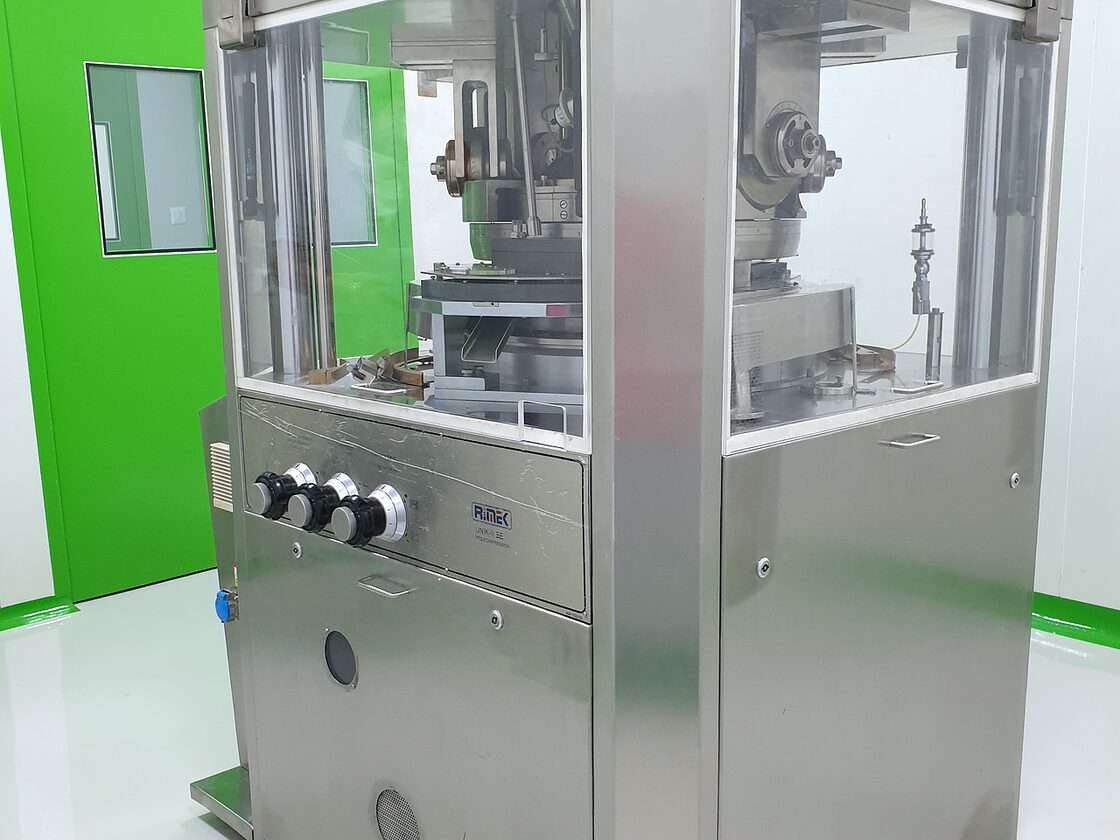
Manufacturing How to read a contract manufacturer’s capacity claim A billion tablets a year is a theoretical number. What decides whether your product gets made on time is the batch range, the changeover time and how many other products share the line. Read the piece
Packaging Alu-Alu or PVC-Alu: choosing a blister for the market, not the budget The pack format decides the shelf life you can claim in a humid market. Picking it on unit cost is the most expensive saving in solid oral dose. Read the piece
Formulation Why bi-layer tablets fail, and what stops them Bi-layer construction solves incompatibility and staged release. It also introduces three failure modes that a single-layer tablet cannot have. Read the piece
Partnering What a technology transfer costs the receiving site A transfer is not a recipe handed over. Three things move — the process, the analytical method and the tacit knowledge — and only two of them are written down. Read the piece
Quality Data integrity is a design decision, not an audit response Compliant analytical software is not the achievement. Being able to reconstruct why a result was accepted, three years later, is. Read the piece
Quality Why our airlocks are the first thing we show an auditor Cleanliness is visible on any tour. Segregation is the thing that separates a clean factory from a compliant one, and it is built in or it is absent. Read the piece
Partnering
A question these do not answer.
Most of these started as a question somebody asked on a first call. If yours is not here, ask it — the answer is usually more useful in a reply than in an article.