What a technology transfer costs the receiving site
A transfer is not a recipe handed over. Three things move — the process, the analytical method and the tacit knowledge — and only two of them are written down.
- Published
- 2 min read
- Subject
- Partnering
Moving a product to a new plant looks like handing over a batch record. What actually has to move is the process, the method, and everything nobody wrote down.
The process is the easy part
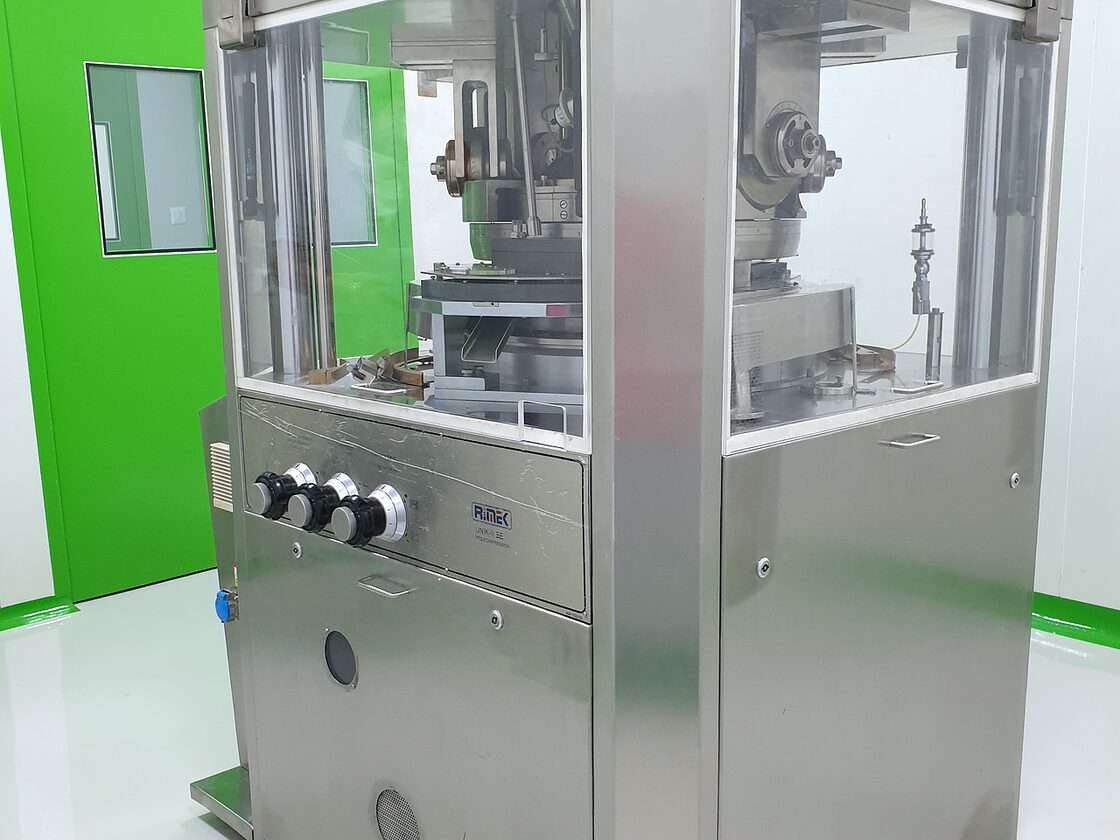
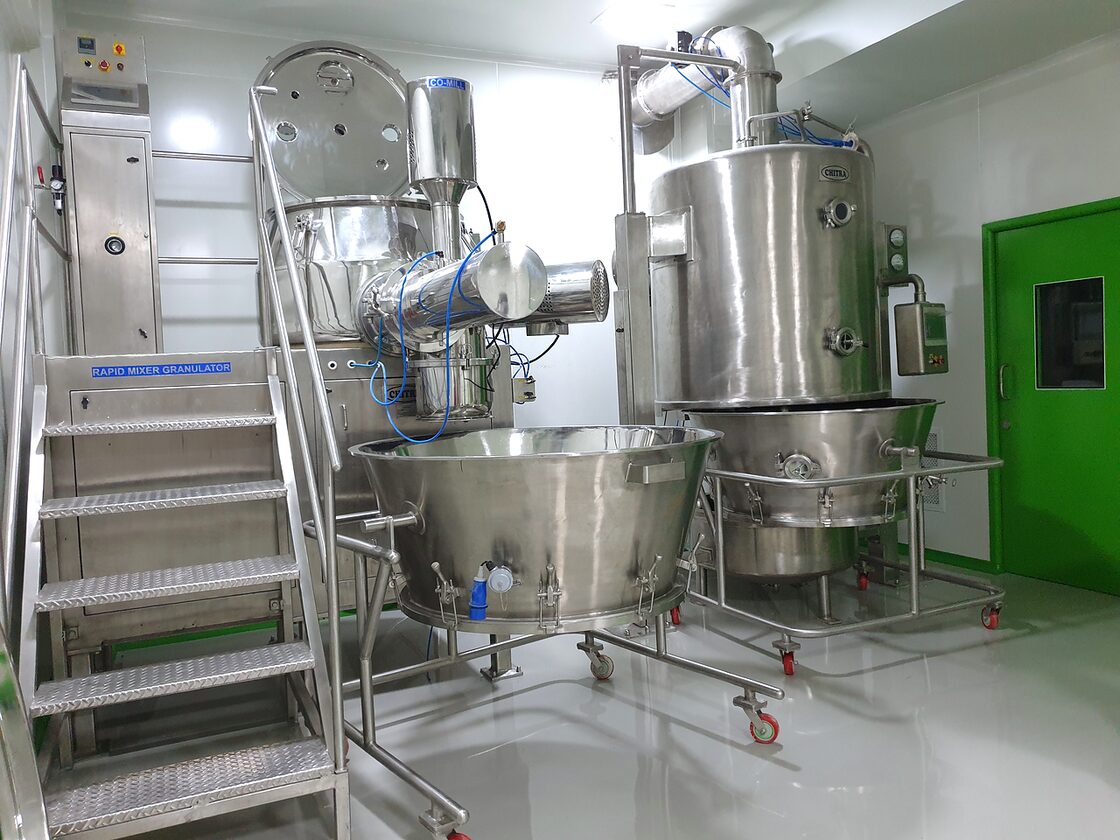
A master batch record transfers cleanly. Equipment does not: a granulation developed on one manufacturer's rapid mixer does not reproduce on another's without work, because impeller geometry, chopper speed and bowl loading are not interchangeable parameters. The receiving site has to re-establish the design space, not re-read it.
This is the part everybody plans for. Budget three engineering batches and expect to use two.
The analytical method is where transfers actually stall
An assay validated in one laboratory has to be shown to perform in another — the same specificity, the same linearity, the same limits, on this site's column, this site's detector and this site's analyst. A method that was marginal at the sending site becomes a failure at the receiving one, and it is usually discovered halfway through the first stability pull.
Method transfer runs in parallel with process transfer or the whole programme waits on it. We run it in parallel, in the same building, which removes the courier and the two-week question-and-answer cycle that a remote laboratory adds to every anomaly.
The tacit knowledge nobody documented
How the blend looks when it is right. Which stage of coating the operator slows the pan. What the granule feels like at the end point, before the moisture reading confirms it. Every mature product has a dozen of these, held by the people who make it, and none of them are in the batch record.
The only way to move them is people talking to people — a visit, a joint batch, a phone call at the moment the question arises rather than in a report a week later.
What to agree before it starts
Define success numerically and in advance: which parameters must be reproduced, within what limits, over how many batches, and who signs off that they were. A transfer without that agreement does not fail — it just never quite finishes.
Read next