How to read a contract manufacturer’s capacity claim
A billion tablets a year is a theoretical number. What decides whether your product gets made on time is the batch range, the changeover time and how many other products share the line.
- Published
- 2 min read
- Subject
- Manufacturing
Every contract manufacturer publishes an annual capacity. Almost none of them publish the three numbers that decide whether your product gets made.
Annual capacity is a ceiling, not a promise
A stated annual figure is machine rate multiplied by available hours, assuming perfect utilisation and no changeovers. It is a real number and it is worth knowing — it tells you whether a plant is the right order of magnitude for your volume — but it describes the building, not your product.
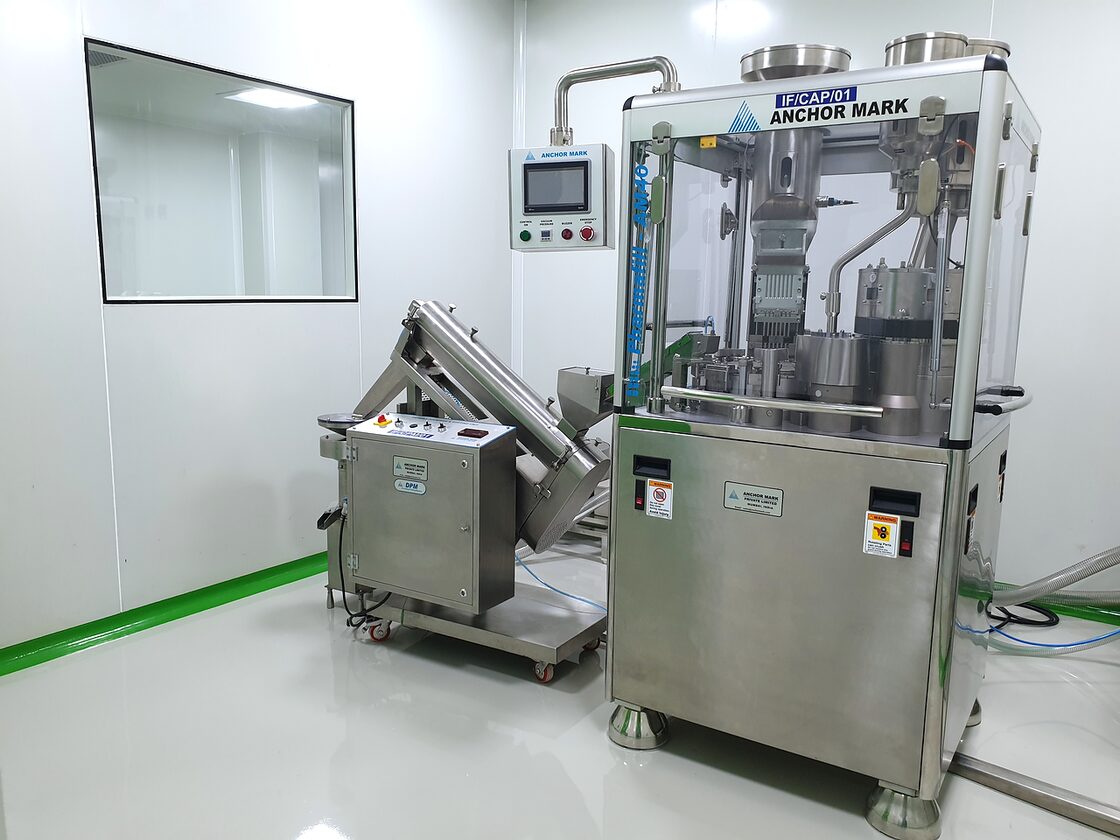
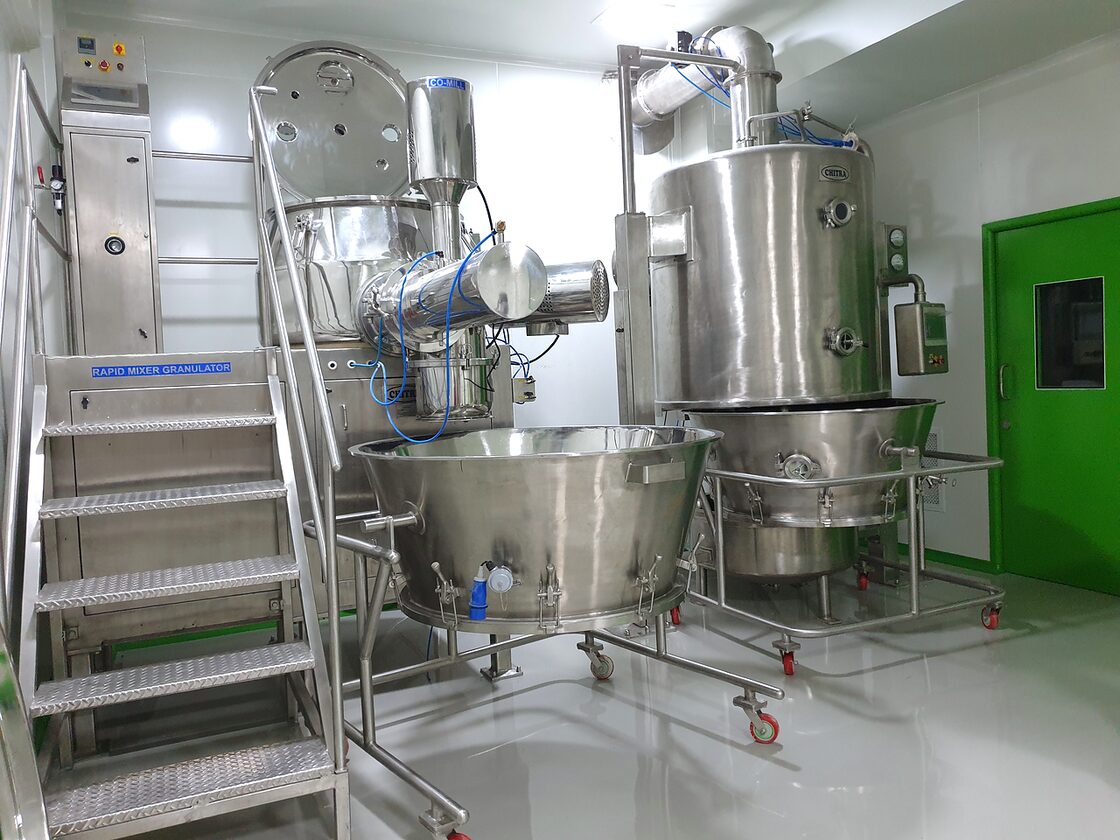
We state ours plainly: one billion general tablets, 320 million effervescent tablets and 220 million capsules a year. What that actually tells you is that a five million pack order is not going to strain the site.
The three numbers that matter more
The batch range. Ours is 10 kg to 240 kg. The bottom of that range is the more informative end: it says whether a plant will run your pilot and your first commercial batches without treating them as a nuisance. A site whose minimum economic batch is 300 kg will quote you a price that assumes you never wanted a small one.
The changeover. Every product entering a shared line costs a cleaning, a line clearance and a verification before the next one starts. A plant running twelve products through a suite has a very different effective capacity from one running four. Ask how many products share the line your product would run on.
The tooling. D-tooling and B-tooling cover different tablet sizes, and bi-layer capability is either present or it is not. Ours does both, with pre-compression and a force feeder — which matters for anything with a poor-flowing blend, and matters absolutely for a bi-layer.
The question to ask instead
Not "what is your capacity". Ask: for a product like mine, at this batch size, in this pack format — what is the realistic lead time from approved batch record to released stock, and what does that assume about my forecast accuracy?
An answer with numbers in it tells you what you need to know. An answer that repeats the annual figure tells you something too.
Read next